ADHD Emotional Regulation Workbook for Kids: A Practical Guide to Emotional Well-Being
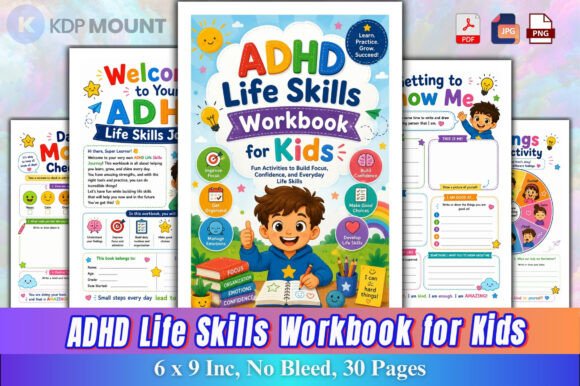
Helping children navigate big emotions is one of the most meaningful challenges parents, educators, and caregivers face. For kids with ADHD, emotional regulation can be especially complex, as their brains process feelings more intensely and often with less natural filtering. The ADHD Emotional Regulation Workbook for Kids offers a structured yet playful approach to building emotional skills—one that meets children where they are and gives them tools they can actually use. This workbook translates research-backed strategies into activities that feel like play, not therapy. And that is precisely why it is gaining attention among families, therapists, and schools alike.
Why Emotional Regulation Matters More Than Ever
In recent years, awareness around children’s mental health has grown significantly. Parents are looking beyond behavior management and toward emotional intelligence as a foundation for long-term well-being. The rise in screen time, reduced unstructured play, and increased academic pressure have all contributed to a generation of children who may struggle to identify and manage their own emotions. For children with ADHD, these challenges are magnified. Emotional outbursts, difficulty transitioning between activities, and sensitivity to criticism are not character flaws—they are neurological realities.
The ADHD Emotional Regulation Workbook for Kids addresses these realities head-on. It does not promise to "fix" a child or eliminate difficult feelings. Instead, it builds a vocabulary for emotions, a framework for understanding them, and a set of coping strategies that children can practice and internalize over time. This shift from punishment-based discipline to skill-building is a trend that many professionals see as long overdue.
What the Workbook Actually Offers
This is not a dense textbook or a collection of abstract concepts. The workbook is built around hands-on, visual, and interactive pages that appeal to children aged 5 to 10. Each section targets a specific emotional skill, and the progression is logical without feeling clinical.
Understanding Feelings Through Activities
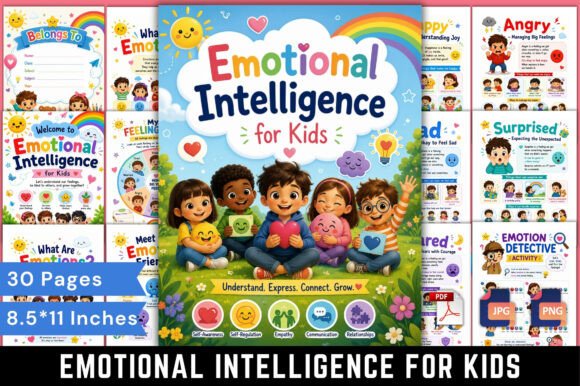
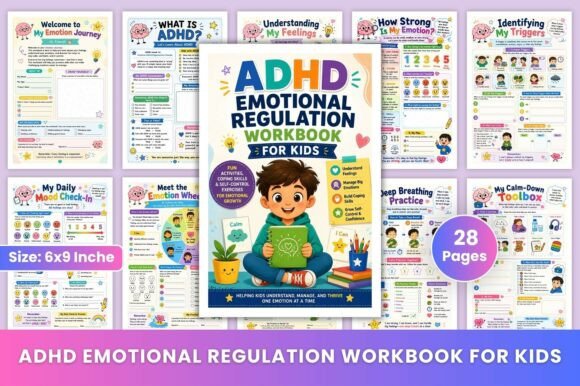
One of the first hurdles for many children is simply naming what they feel. The workbook includes Understanding Feelings Activities that help children identify and label emotions in a supportive way. These are not just flashcards of happy, sad, and angry. The activities encourage nuance—feeling frustrated versus feeling disappointed, or noticing when excitement tips into overwhelm. For a child with ADHD, this emotional granularity can be a game changer. It turns vague discomfort into something they can name and, eventually, manage.
The Emotion Wheel as a Compass
The Emotion Wheel Exercises introduce a visual tool that shows how feelings are connected and how they shift throughout the day. A child might start the morning feeling anxious about a test, then move to relief, then boredom. The wheel helps them see that emotions are not permanent states but passing experiences. This alone can reduce the fear that a bad feeling will last forever—a common fear for children with emotional dysregulation.
Daily Mood Check-Ins Build Self-Awareness
Self-awareness does not come naturally to every child, especially those whose brains are wired for constant motion. The Daily Mood Check-In Pages provide a simple, repeatable structure for reflecting on how the day is going. Over time, this practice builds a habit of emotional self-monitoring. Children begin to notice patterns: “I usually feel irritable after recess,” or “I feel calmer when I draw before dinner.” That awareness is the first step toward regulation.
The Emotion Strength Scale
Many children with ADHD experience emotions as either off or fully on. There is little middle ground. The Emotion Strength Scale teaches them to recognize the intensity of their feelings on a spectrum. A 3 out of 10 annoyance is different from a 9 out of 10 rage, and each requires a different response. This tool helps children and their caregivers differentiate between a feeling that needs attention and one that can be acknowledged and released.
Identifying Triggers Without Blame
One of the most practical sections in the workbook is the Trigger Identification Worksheets. Rather than asking, “Why are you acting out?” the workbook invites children to explore, “What happened right before you felt this way?” This subtle shift moves the conversation from blame to curiosity. Common triggers for children with ADHD might include unexpected transitions, sensory overload, hunger, or feeling misunderstood. When children and their parents can identify these patterns, they can proactively adjust environments or expectations rather than reacting in the moment.
Connecting Mind and Body
Emotions are not just mental events. They live in the body. The Mind Body Awareness Activities in the workbook help children notice physical sensations associated with feelings. A tight chest might signal anxiety. Clenched fists might mean anger is building. A fluttering stomach could be excitement or nervousness. By learning to read these physical cues, children gain an early warning system. They can intervene with a coping strategy before the emotion escalates to a behavioral outburst.
Building a Personalized Calm-Down Toolbox
No two children regulate in the same way. The Calm-Down Toolbox Pages allow each child to build a personalized set of coping strategies. Some may find relief in deep breathing. Others need a movement break, a drawing session, or a quiet corner with a weighted blanket. The workbook presents options and lets the child choose what works. This sense of agency is critical. Children with ADHD are often told what to do and how to behave. Being able to choose their own calming tool reinforces autonomy and self-trust.
Deep Breathing Made Simple
Breathing exercises are often recommended for emotional regulation, but they can feel abstract to a young child. The Deep Breathing Practice section uses simple, visual guides—like tracing a shape or counting slowly—to make the exercise concrete. For a child with ADHD, pairing breathing with a visual or tactile cue can make the difference between a technique they reject and one they adopt.
How the Workbook Fits Into Modern Parenting and Education
Current trends in parenting and education are moving away from punitive models and toward co-regulation and emotional coaching. Schools are adopting social-emotional learning (SEL) curricula. Therapists are recommending tools that families can use at home between sessions. The ADHD Emotional Regulation Workbook for Kids fits naturally into this landscape. It is not a replacement for professional support, but it is a practical companion that reinforces what children learn in therapy or at school.
For parents, the workbook offers a shared activity that does not feel like conflict. Instead of arguing about behavior, they can sit together and fill out a mood check-in or draw an emotion wheel. This shifts the dynamic from opposition to collaboration. It also gives parents language and structure to talk about feelings without lecturing.
Practical Implications for Caregivers and Educators
If you are a parent, teacher, or therapist looking for tools that actually engage children with ADHD, this workbook offers several advantages. First, it is designed for the attention span and learning style of this age group. Pages are visually engaging, activities are short, and the variety prevents boredom. Second, it does not require advanced reading skills or abstract thinking. The exercises are visual and hands-on, making them accessible to children who struggle with language-based tasks.
For educators, the workbook can be integrated into morning meetings, counseling sessions, or calm-down corners. It provides a structured way to check in with students who may not have the words to express their internal state. For therapists, it is a ready-made resource for between-session practice, helping children generalize skills from the therapy room to everyday life.
Realistic Expectations and Recommendations
No workbook is a magic solution. Emotional regulation is a skill that develops over years, not days. The value of the ADHD Emotional Regulation Workbook for Kids lies in its consistency and its child-friendly design. Used regularly, even a few pages a week, it can help children build a foundation of emotional vocabulary, self-awareness, and coping strategies that will serve them well into adolescence and adulthood.
For best results, adults should participate alongside the child. Co-regulation is still the most powerful tool available. When a parent or teacher models calmness, curiosity, and emotional honesty, the workbook becomes a shared practice rather than a solo assignment. Over time, the child internalizes not just the activities but the underlying message: emotions are manageable, and you have the tools to navigate them.
Who Will Benefit Most
- Parents of children aged 5 to 10 with ADHD or emotional regulation challenges who want a practical, non-clinical resource.
- Educators looking for classroom-friendly tools to support social-emotional learning.
- Therapists and counselors who need take-home materials that reinforce in-session work.
- Homeschooling families seeking structured emotional education that fits into daily routines.
The Bigger Picture
The growing attention to emotional regulation in children reflects a broader cultural shift. We are beginning to understand that mental health is not something to fix only when problems arise. It is something to nurture proactively, especially in early childhood. Workbooks like this one are part of a larger movement toward accessible, everyday mental health tools. They demystify emotional skills and make them available to anyone with a few minutes and a willingness to engage.
For children with ADHD, these tools are not optional extras. They are essential scaffolding for a life in which emotions do not have to feel overwhelming. The ADHD Emotional Regulation Workbook for Kids provides that scaffolding in a form that children actually enjoy. And that combination—useful and engaging—is what makes it a resource worth exploring.
Whether you are a parent looking for a better way to connect with your child, a teacher searching for classroom calm, or a professional wanting to recommend a reliable tool, this workbook offers a starting point. It meets children where they are, gives them language for their inner world, and equips them with strategies they can carry into every part of their lives.