Morning Success Kit for Kids: A Practical Guide to Building Positive Daily Routines
Getting kids out the door on a calm, positive note can feel like a daily struggle for many families. Between sleepy resistance, forgotten tasks, and the rush to beat the clock, mornings often become a source of stress rather than a launchpad for success. The Morning Success Kit for Kids is a thoughtfully designed activity workbook for children ages 4–10 that shifts this dynamic. Instead of nagging or pleading, parents can use this resource to help children take ownership of their morning habits, build confidence, and start each day with purpose.
This article explores what the Morning Success Kit for Kids includes, why mornings are often challenging, how the kit addresses those challenges, and practical ways families can implement it for lasting results.
What Is the Morning Success Kit for Kids?
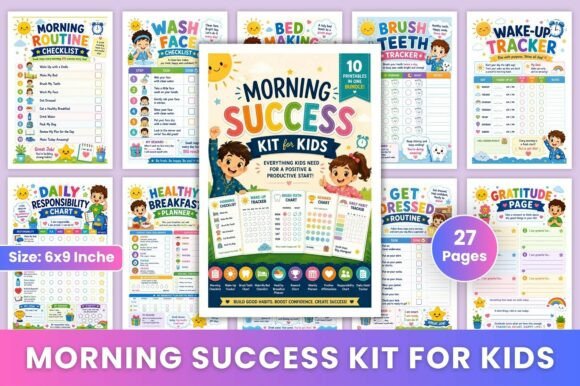
The Morning Success Kit for Kids is not just another sticker chart or a list of rules. It’s an interactive workbook that guides children through a structured morning routine using checklists, trackers, and reflection prompts. Designed for children ages 4 to 10, the kit turns the abstract idea of “being responsible” into concrete, achievable actions.
At its core, the workbook helps children set daily goals, track essential habits like brushing teeth and making the bed, monitor hydration, and even practice positive affirmations. The emphasis is on building a mindset of independence and self-belief, not just compliance. For parents, it provides a framework that can be customized to each child’s age, temperament, and family schedule.
Why Morning Routines Matter (and Why They’re Hard)
Children thrive on predictability. A consistent morning routine reduces anxiety, improves focus during the school day, and teaches life skills that carry into adulthood. Yet many parents face common hurdles:
- Resistance to waking up – Kids often struggle to transition from sleep to activity, especially if they haven’t had enough rest.
- Forgetting basic steps – Brushing teeth, combing hair, eating breakfast – these tasks can slip through the cracks when a child is distracted.
- Power struggles – When parents remind or direct, children may push back, turning mornings into a battle of wills.
- Lack of time – Busy households often rely on last-minute rushing, which sets a frantic tone for the whole day.
The Morning Success Kit for Kids addresses these challenges not by adding more adult control, but by increasing the child’s sense of ownership. When a child uses a Wake-Up Tracker or marks off items on a Morning Routine Checklist, they are managing their own progress. The workbook becomes a partner in the process, shifting the parent’s role from drill sergeant to coach.
How the Kit Builds Positive Habits Step by Step
The workbook is structured around several key areas that align with the needs of growing children. Here’s how each component works in a real-life context:
Morning Goals Planning Pages
Each day begins with a simple goal-setting exercise. A child might write or draw one thing they want to accomplish that morning – “Put on shoes by myself” or “Eat all my breakfast.” This small act builds intentionality. Over time, kids learn to prioritize and feel a sense of achievement when they meet their own goals.
Morning Routine Checklist
This is the backbone of the kit. The checklist covers essential steps: wake up, get dressed, brush teeth, eat breakfast, pack school bag, and so on. Parents can add or remove items depending on the child’s age. The visual format helps children see exactly what needs to be done without constant verbal reminders. Many families find that after a few weeks, the checklist becomes internalized, and the child no longer needs to refer to the page – the habit is formed.
Wake-Up Tracker
Consistency in wake-up time supports discipline and helps regulate sleep cycles. The tracker lets children mark down when they got out of bed. Some parents pair this with a simple reward: five consecutive on-time wake-ups might earn a special weekend activity. The tracker turns waking up from a chore into a personal achievement.
Brushing Teeth and Hygiene Charts
Oral hygiene and personal care are often areas where kids cut corners. The Brushing Teeth Hygiene Charts provide a visual record of morning and evening brushing. Parents can use these charts to reinforce the “why” behind the habit – keeping teeth strong and breath fresh. Children as young as four can participate by placing a sticker on the chart after brushing.
Bed Making Responsibility Tasks
Making the bed might seem minor, but it’s a powerful first task that sets a tone of order and accomplishment. The kit includes a simple tracker for bed-making. When a child straightens their blanket and fluffs their pillow, they complete a small win before breakfast even begins. This builds competence in daily responsibilities.
Healthy Breakfast and Hydration Tracking
Nutrition is critical for a child’s ability to focus and learn. The workbook includes sections for tracking breakfast choices and water intake. Instead of forcing a child to eat a certain food, parents can frame it as a “morning fuel” challenge. For example, a child might aim to eat one protein, one fruit, and one grain at breakfast, and drink a full glass of water before leaving the house.
Daily Habit Tracker with Reward System
The Daily Habit Tracker brings all the pieces together. Children can mark each completed habit – wake-up, hygiene, breakfast, bed-making – and see their progress accumulate. The built-in reward system motivates without creating entitlement. For instance, after collecting a certain number of checkmarks, a child might choose a family activity like a board game night or a trip to the park. The reward is tied to effort, not perfection.
Positive Mindset Affirmations
One of the most transformative features is the inclusion of Positive Mindset Affirmations. Children read or repeat phrases such as “I am capable of having a great day” or “I can solve problems calmly.” These statements counteract negative self-talk and help kids approach challenges with confidence. Parents can incorporate affirmations into the morning routine by saying them together or having the child choose one affirmation to focus on for the day.
Weekly Planner and Reflection Pages
At the end of each week, the workbook provides space to reflect on what went well and what could improve. This isn’t about criticism; it’s about building self-awareness. A child might note, “I remembered to pack my snack every day” or “I need to work on brushing without being reminded.” Over time, this reflection fosters a growth mindset.
Practical Ways to Implement the Kit with Different Ages and Personalities
The Morning Success Kit for Kids is flexible enough to adapt to a wide range of family situations. Here are a few approaches based on common user profiles:
For the preschooler (ages 4–5)
At this age, the kit works best as a co-activity. Parents can sit with the child and use stickers together. Focus on just two or three habits initially – waking up, brushing teeth, and eating breakfast. The Wake-Up Tracker and Brushing Teeth Charts are especially appealing because they involve stickers or coloring. Keep verbal praise generous and celebrate small wins. The goal is to create a positive association with the routine, not to achieve perfection.
For the early elementary child (ages 6–8)
These children can take more ownership. Let them fill out the Morning Goals Planning Page on their own. Use the Daily Habit Tracker to set goals for the week. Some parents create a “morning launchpad” – a designated spot where the workbook lives along with a pencil and stickers. Involving the child in personalizing the routine (e.g., choosing which affirmation to say) increases buy-in.
For the busy or resistant child (ages 9–10)
Older children might feel the workbook is “babyish.” In those cases, frame it differently: present it as a training tool for independence. Emphasize that using the Morning Routine Checklist means you won’t have to remind them. Let them mark off tasks quickly and privately. Some families integrate the kit with a larger responsibility system, where completing the morning habits leads to privileges like screen time or later bedtime on weekends.
For the parent who is short on time
Even if you have only five minutes to engage with the kit in the morning, you can still make it work. Prep the workbook the night before – have the child choose an affirmation and set a goal before bed. In the morning, a quick glance at the checklist and a sticker on the habit tracker is enough to keep momentum. The kit is designed to reduce your mental load, not add to it.
Real-Life Outcomes: What Families Report
Parents who consistently use the Morning Success Kit for Kids often report a noticeable shift in the household atmosphere. The most common outcomes include:
- Fewer arguments – Children become self-monitoring, so parents don’t have to repeat instructions.
- Faster mornings – When a child follows a checklist, they complete tasks in less time.
- Improved confidence – Kids feel proud when they see their tracker fill up. Affirmations boost self-esteem over time.
- Better nutrition – The breakfast and water trackers gently encourage healthier choices without nagging.
- Smoother transitions – A predictable start reduces morning chaos, setting a calmer tone for school or other activities.
Of course, results depend on consistency. The kit works best when used as a daily tool, not an occasional filler. Parents should expect some adjustment period, especially if the child is used to being directed. But over several weeks, the habits become automatic.
Recommendations for Getting the Most Out of the Kit
To truly benefit from the Morning Success Kit for Kids, consider these implementation tips:
- Introduce the kit as an exciting tool, not a chore. Let the child flip through the pages and choose a sticker or marker they like. Make the first use a special event.
- Be consistent with timing. Use the kit at the same point each morning, ideally right after waking up. Routine reinforces routine.
- Focus on progress, not perfection. If a child misses a day or forgets a task, don’t punish. Simply note it and encourage them to try again tomorrow.
- Involve the child in customizing. Let them add their own goal or draw a picture on the planning page. Ownership boosts engagement.
- Pair the kit with positive language. Instead of “You need to brush your teeth,” say “Let’s see you mark off that teeth-brushing check!”
- Use the reflection pages together. Every weekend, spend five minutes talking about what worked. Ask open-ended questions like “What part of the morning felt easiest?”
Why the Morning Success Kit for Kids Fits into a Larger Picture
Building morning habits is more than just getting out the door on time. The skills children learn through this kit – goal setting, self-monitoring, responsibility, positive self-talk – are foundational for academic success and emotional well-being. The Morning Success Kit for Kids provides a structured yet flexible path to those skills. For parents, it’s a gentle, effective way to stop being the “morning enforcer” and start being a guide. For children, it’s a playful and empowering way to grow into capable, confident individuals who can manage their own day.
Whether you are a parent of a preschooler just starting routines or a caregiver of a slightly older child who needs a reset, the Morning Success Kit for Kids offers a practical, solution-focused approach. With consistent use, it transforms the morning window from a source of stress into a foundation for lifelong success.