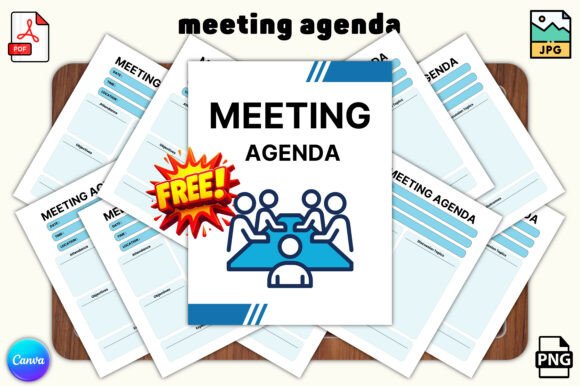
Meeting Agenda: A Practical Tool for Focused and Productive Discussions
Every professional has sat through meetings that drift, stall, or end without clear outcomes. The cause is rarely a lack of effort. More often, it is the absence of a structured plan for the conversation itself. A meeting agenda is not merely a list of topics. When designed and used well, it becomes a framework that guides participants toward specific goals, respects everyone's time, and produces actionable results. This article examines what makes a meeting agenda effective, how it performs in real-world settings, and who stands to benefit most from using one consistently.
What a Meeting Agenda Actually Does
At its core, a meeting agenda serves as a roadmap. It defines the purpose of the gathering, allocates time to each item, and clarifies what needs to be accomplished before the meeting ends. A strong agenda does more than remind people what will be discussed. It sets expectations, assigns ownership for each topic, and provides space for preparation. When participants know in advance what will be covered and what is expected of them, the quality of discussion improves noticeably.
Meeting agendas can take many forms. Some are simple bullet lists sent via email. Others are detailed documents that include time estimates, background materials, and designated speakers. The most effective versions balance structure with flexibility. They provide enough detail to keep the conversation on track while leaving room for organic discussion and unexpected but relevant input.
What makes a meeting agenda worth discussing is its role as a multiplier of productivity. A single well-structured agenda can save an entire team hours of wasted time, reduce follow-up emails, and prevent miscommunication. Over the course of a year, the cumulative effect of consistent agenda use is significant.
Key Characteristics of a Well-Designed Meeting Agenda
Not all agendas are equal. The ones that deliver real value share several characteristics. First, they are purpose-driven. Every item on the agenda connects directly to the meeting's overall objective. If an item does not serve that objective, it does not belong. Second, they respect time constraints. Realistic time allocations prevent early items from consuming the entire meeting and ensure that critical topics receive adequate attention.
Third, effective agendas include context. A topic title alone is rarely enough. A short description or a question to be answered helps participants prepare thoughtful contributions. Fourth, they identify ownership. When a specific person is responsible for leading each item, accountability increases and the flow of the meeting becomes smoother.
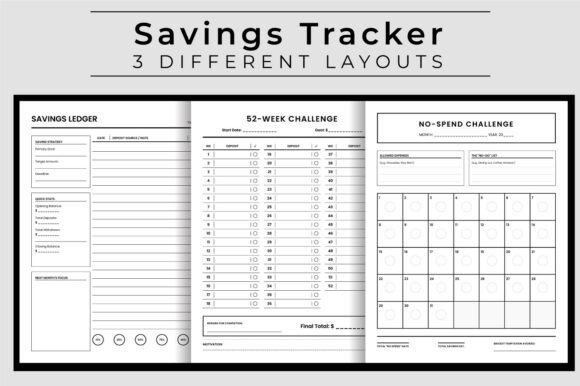
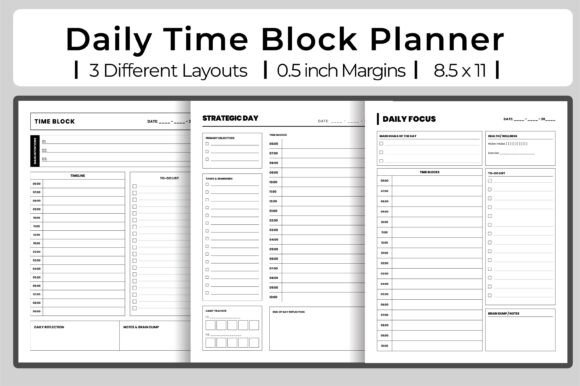
Finally, well-designed agendas are visually organized and easy to scan. Whether presented on paper or digitally, clarity matters. Participants should be able to grasp the meeting's structure within seconds. This is where thoughtful layout and formatting make a tangible difference.
How Meeting Agendas Perform in Real-World Use
In practice, the effectiveness of a meeting agenda depends largely on how it is used before and during the meeting. An agenda that is shared minutes before the start time offers little benefit. Participants need time to prepare, review materials, and formulate questions. Ideally, agendas are distributed at least 24 hours in advance. This gives everyone the opportunity to arrive ready to contribute.
During the meeting, a good agenda serves as a reference point. It helps the facilitator keep the conversation focused and signals when it is time to move on. When discussions veer off course, the agenda provides a neutral anchor for redirection. After the meeting, the agenda becomes a record of what was covered and what decisions were made, especially when combined with notes or action items.
One realistic limitation is that even the best agenda cannot fix a meeting that should not have been called in the first place. Agenda use is most effective when paired with a clear decision about whether a meeting is the right format for the goal. Sometimes an email, a shared document, or a quick one-on-one conversation is more efficient. A thoughtful agenda helps, but it is not a substitute for good judgment about when to meet.
Quality, Usability, and Flexibility
The quality of a meeting agenda template or tool matters because consistency is hard to maintain without a reliable system. Professionals who run multiple meetings each week benefit from a format that can be reused and adapted. A good template reduces the friction of creating each agenda from scratch. It provides a structure that can be customized for different meeting types, from weekly team check-ins to quarterly strategy reviews.
Usability is equally important. An agenda format that is overly complex or rigid will likely be abandoned. The best designs are intuitive. They guide the user through the process of setting objectives, listing items, allocating time, and assigning owners without requiring instruction. When the format itself teaches good meeting practices, it becomes a productivity tool in its own right.
Flexibility matters because not every meeting fits the same mold. A daily standup has different needs than a client presentation or a project retrospective. A strong agenda system accommodates these variations without forcing users into a one-size-fits-all structure. The ability to add sections, adjust time allocations, and include custom fields makes the tool useful across a wide range of scenarios.
Consistency and Reliability Over Time
One of the most undervalued benefits of using a structured meeting agenda is consistency. When every meeting in an organization follows a similar format, participants know what to expect. They learn to prepare accordingly, and the culture of the organization shifts toward more intentional communication. Over time, this consistency builds trust and reduces the cognitive load associated with switching between different meeting styles.
Reliability is another factor. A meeting agenda that is easy to create, share, and reference becomes a dependable part of the workflow. When the system is reliable, it gets used. When it gets used, the quality of meetings improves. This positive cycle reinforces itself and contributes to a more productive work environment.
From a long-term perspective, consistent agenda use also creates an archive. Teams can look back at past agendas to understand how decisions were made, what topics recur, and where progress has been made. This historical record is valuable for onboarding new team members, conducting retrospectives, and identifying patterns that might otherwise go unnoticed.
Who Benefits Most from a Structured Meeting Agenda
Meeting agendas are valuable across a broad range of roles, but certain groups see particularly strong returns. Professionals who facilitate frequent meetings, such as team leads, project managers, and department heads, benefit from the clarity and control a good agenda provides. It reduces the mental burden of keeping the meeting on track and allows the facilitator to focus on the discussion itself rather than on managing logistics.
Entrepreneurs and small business owners often wear multiple hats and have limited time. For them, meetings that run long or lack clear outcomes are especially costly. A well-designed agenda helps them maximize the value of every conversation, whether with clients, partners, or their own team. It also helps them model effective communication practices for their growing organization.
Freelancers and independent professionals who participate in client meetings also benefit. A clear agenda signals professionalism and respect for the client's time. It sets the tone for a productive conversation and helps ensure that both parties leave with a shared understanding of next steps.
Creators, bloggers, and publishers who collaborate with editors, sponsors, or production teams will find that structured agendas reduce back-and-forth and keep projects moving. Similarly, educators and trainers who lead discussions or planning sessions can use agendas to maintain focus and achieve clear learning or planning objectives.
Practical Recommendations for Getting the Most Out of a Meeting Agenda
To maximize the value of a meeting agenda, start by choosing a format that fits your typical meeting types. If you run many different kinds of meetings, look for a template or system that allows easy customization. Avoid overcomplicating the format. A clean, logical structure with clearly labeled sections is more likely to be used consistently than a dense, multi-column layout.
Make it a habit to distribute the agenda well ahead of the meeting. Encourage participants to review it and add their own items if appropriate. During the meeting, refer to the agenda explicitly. Use it to guide the flow and to signal transitions. After the meeting, update the agenda with decisions and action items, and share it as a record.
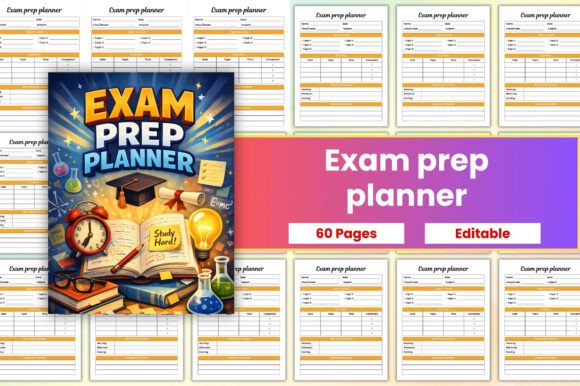
If you are evaluating a pre-designed meeting agenda bundle or planner collection, look for several features: clear time allocation fields, space for objectives and desired outcomes, designated areas for action items and owners, and a layout that is easy to read at a glance. The best resources also include guidance on how to run effective meetings, which adds long-term value beyond the templates themselves.
Long-Term Value and Practical Considerations
Adopting a structured meeting agenda is not a one-time improvement. Its value compounds over time as habits form and the quality of communication improves across an organization or professional network. The initial effort of selecting or designing a good format is small compared to the ongoing savings in time, energy, and frustration.
One limitation worth noting is that an agenda alone cannot address deeper issues like unclear roles, poor facilitation skills, or a culture that rewards long meetings over productive ones. It is a tool, not a solution. However, it is a tool that often reveals those deeper issues by making them more visible. In that sense, a meeting agenda can be a diagnostic instrument as well as a practical resource.
For those who manage multiple projects, lead teams, or participate in frequent collaborative discussions, investing in a well-designed meeting agenda system is a decision that pays dividends. It supports better preparation, more focused conversations, and clearer outcomes. And when the agenda itself is part of a broader planner collection that includes goal setting, task management, and project tracking, the synergy between these tools becomes even more valuable.
Whether you are new to structured agendas or looking to refine an existing practice, the key is to find a format that works for your specific context and to use it consistently. Over time, the discipline of preparing a thoughtful agenda before every meeting will change how you and your team approach discussions. Meetings become less about filling time and more about making progress.
For anyone ready to try a proven format, resources like the free bundle mentioned at the start of this article provide a practical entry point. They allow you to test the design and usability before committing to a larger collection. If the structure and quality align with your needs, upgrading to a more comprehensive planner system can further enhance your workflow. The goal is not to add complexity, but to make every meeting a worthwhile investment of everyone's time.