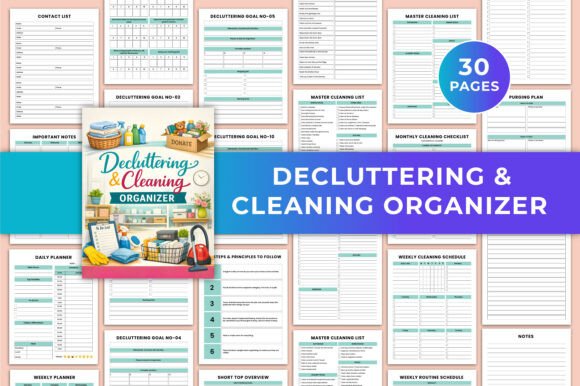
Mastering Home Organization with the Decluttering Cleaning Organizer KDP
Understanding the Blueprint of a Complete Home Organizer
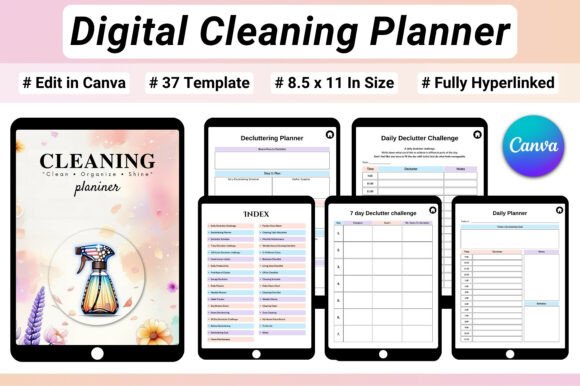
A well-maintained home does not happen by accident; it requires a clear system that breaks down overwhelming tasks into manageable steps. The Decluttering Cleaning Organizer KDP offers precisely that—a structured framework that guides users from chaotic spaces to orderly rooms. Unlike generic checklists found online, this planner integrates goal setting, visualization, and tracking into a single cohesive tool. Whether you are tackling a single closet or an entire house, the organizer provides the scaffolding to turn intentions into actions. Its design acknowledges that cleaning is not merely about removing dust but about creating an environment that supports daily life without unnecessary stress. By embedding decluttering goal planning at its core, the organizer ensures that every cleaning session serves a larger purpose rather than being a reactive chore.
How the Decluttering Cleaning Organizer KDP Supports Daily, Weekly, and Monthly Routines
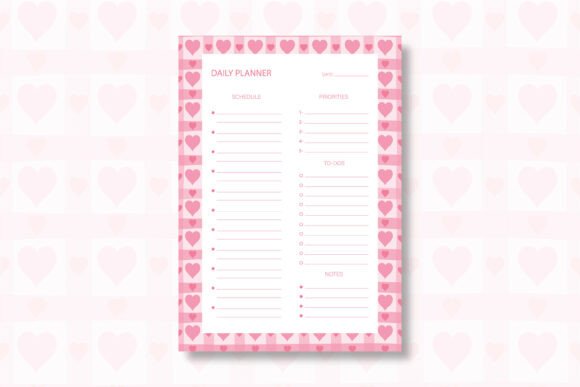
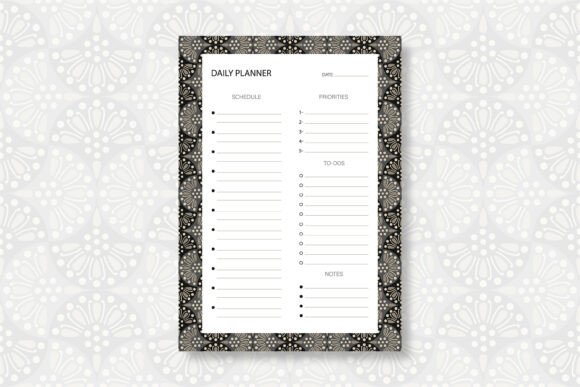
Consistency is the foundation of any effective home management system. This organizer addresses that need by offering three distinct planning horizons that work together seamlessly. The daily planner includes a schedule, to-do list, and mood tracker, allowing users to align their cleaning tasks with their energy levels and other commitments. For instance, marking a low-energy day with a lighter to-do list prevents burnout while still maintaining progress. The weekly planner introduces a structured cleaning schedule that distributes tasks across seven days, preventing the common pattern of cramming all chores into a single weekend. This approach mirrors professional cleaning workflows used by organizers who recommend dividing labor to avoid fatigue. The monthly cleaning checklist with its four-week plan ensures that deeper tasks—like washing windows or cleaning behind appliances—are not forgotten. By rotating focus areas, the organizer prevents any one room from being neglected for too long, which is a common pitfall in household maintenance.
Breaking Down the Room-by-Room Approach
One of the standout features of the Decluttering Cleaning Organizer KDP is its detailed room-by-room checklists. Rather than offering a vague “clean the kitchen” instruction, it provides specific sub-tasks for the kitchen, living area, bedroom, bathroom, dining room, garage, office, laundry room, entryway, and outdoor spaces. This granularity reduces decision fatigue because users can follow a pre-built list without needing to invent tasks on the spot. For example, the bathroom checklist might include scrubbing grout, organizing medicine cabinets, and checking towel stocks—items that are easy to overlook during a quick wipe-down. The living area checklist could involve dusting baseboards, fluffing cushions, and sorting remote controls. By covering both obvious and hidden areas, the organizer ensures a truly comprehensive clean. The inclusion of a master cleaning list ties all rooms together, giving users a bird’s-eye view of the entire home’s status. This is particularly useful for seasonal deep cleans or before hosting events.
The Role of Customization in Sustaining Long-Term Habits
A static planner often fails because life circumstances change. The Decluttering Cleaning Organizer comes as a fully editable Canva template, which is a significant advantage for long-term use. Users can adjust fonts, colors, and layouts to match their personal preferences or rebrand for professional use. This customization extends to functional changes as well: a user might add extra rows for pet-related cleaning tasks, or a professional organizer could insert their logo and client fields. The ability to modify the planner means it remains relevant as households evolve—whether you move to a larger home, welcome a baby, or start a home business. The 10-step decluttering goal planning system becomes more powerful when users can revisit and edit their goals quarterly. Customization also supports different learning styles: visual learners might color-code sections, while linear thinkers might prefer monochrome layouts with clear numbering. This flexibility reduces the friction that often causes people to abandon planners after a few weeks.
Integrating the Organizer into Real-Life Scenarios
Consider a busy professional who travels frequently. Using the Decluttering Cleaning Organizer KDP, they can schedule 15-minute quick cleaning actions on days when they are home between trips. The 15-minute quick cleaning action list is designed for exactly these high-pressure moments, offering short, focused bursts that prevent clutter from accumulating. Another scenario involves a family preparing to move homes: the purging plan with sell, donate, and throw away sections becomes invaluable. Instead of making emotional decisions on the spot, family members can use the planner to methodically sort items over several weeks. The rearranging planner with “to be fixed” and “to be replaced” sections also supports moving preparation by identifying furniture repairs needed before the transition. For someone managing chronic disorganization, the decluttering mindset visualization pages help reframe cleaning as a positive, goal-oriented activity rather than a punishment. These pages prompt reflection on how a tidy space improves mental clarity—a concept backed by research in environmental psychology.
Key Advantages of a Structured Decluttering Goal System
The 10-step decluttering goal planning system included in this organizer is not merely a list but a progressive framework. It guides users from initial visualization through execution and maintenance. Step one might involve defining what “clutter-free” means for each room, while later steps address sorting criteria and disposal methods. This structure prevents the common error of starting to clean without a clear endpoint, which often results in moving items from one pile to another. The system also incorporates a decluttering mindset visualization component, which helps users imagine their ideal space before lifting a single item. This mental rehearsal increases motivation and reduces the likelihood of quitting halfway. For professional organizers, this goal system serves as a ready-made consultation framework that can be presented to clients during initial assessments. The brain dump notes pages at the end of the organizer allow for capturing random thoughts, ideas, or reminders that surface during cleaning—ensuring nothing is forgotten.
Observations on Using the Organizer for Different Living Spaces
In practice, the Decluttering Cleaning Organizer KDP adapts well to various dwelling types. Apartment dwellers with limited space benefit most from the 15-minute quick cleaning list and the purge/donate/sell tracking sections, because small spaces require constant editing of possessions. Homeowners with multiple rooms find the master cleaning list useful for delegating tasks among family members—each person can check off their assigned areas. Renters preparing for move-out inspections can use the detailed room checklists to ensure nothing is overlooked, potentially saving security deposit deductions. Office workers who maintain a home workspace benefit from the dedicated office checklist, which includes cable management, desk sterilization, and file sorting—tasks that are rarely covered in general cleaning plans. The entryway checklist is particularly useful for households that track shoes, coats, and bags, preventing the front door from becoming a dumping ground. By observing how different users interact with each section, it becomes clear that the organizer’s strength lies in its modularity: users can skip irrelevant sections and amplify others without losing coherence.
Characteristics That Distinguish This Organizer from Generic Templates
Many home management tools exist, but the Decluttering Cleaning Organizer KDP stands out due to its integration of psychological and logistical elements. The mood tracker embedded in the daily planner is a subtle but powerful feature: it encourages users to note how their environment affects their emotional state, reinforcing the habit of keeping a tidy home. The decluttering goal visualization pages borrow techniques from cognitive behavioral therapy, helping users reframe their relationship with possessions. From a professional standpoint, the planner’s room-by-room checklists are more detailed than typical competitors—they include niche areas like the garage and laundry room, which are often ignored. The inclusion of a 10-step goal system adds a coaching dimension that passive checklists lack. For creators and business owners who resell planners, the fully editable Canva template means they can brand the product, adjust the language for different markets, or even translate the contents. This adaptability makes it suitable for digital product sellers, bloggers offering freebies, or coaches building courses around home organization.
Practical Considerations for Maximizing the Organizer’s Value
To get the most out of the Decluttering Cleaning Organizer KDP, users should begin by printing the entire template or filling it out digitally before starting any cleaning. This upfront review helps identify which sections are most relevant to current needs. For example, a user focused on downsizing might prioritize the purging plan and decluttering goal steps, while someone preparing for a party might lean on the master cleaning list and quick action list. The rearranging planner with “to be fixed” and “to be replaced” sections works best when combined with the brain dump notes—users can jot down furniture measurements or shopping lists in one place. Another consideration is the schedule: the weekly and monthly plans are designed to be reused, so laminating the pages or using them in a dry-erase sleeve allows for repeated use without reprinting. For digital users, the Canva template’s editable nature means they can adjust task frequencies or add seasonal items like holiday decorating checklists. The true efficiency gain comes from reducing the mental load of deciding what to clean next; this organizer eliminates that decision entirely.
Observations on Real-World Relevance and Habits
In real-world use, the Decluttering Cleaning Organizer KDP reveals patterns that surprise many users. The mood tracker often shows a direct correlation between cleaning completion and improved emotional states, which reinforces the habit loop. The 15-minute quick cleaning list becomes a go-to resource on busy days, preventing the all-or-nothing thinking that leads to procrastination. Users who struggle with clutter frequently report that the 10-step goal system helps them identify emotional attachments to items, making it easier to let go. The donate/sell/throw away sections provide a concrete action plan, removing the paralysis that comes from not knowing how to dispose of items. Over time, the planner transitions from a cleaning tool to a lifestyle framework—users begin to schedule decluttering sessions as naturally as they schedule appointments. This shift from reactive cleaning to proactive home management is the hallmark of effective organization. The broad appeal to professionals, consumers, creators, and educators lies in this very transformation: it is not just a checklist but a system for behavioral change.
Final Considerations for Choosing an Organizational Tool
When evaluating home management resources, the Decluttering Cleaning Organizer KDP offers a rare combination of depth and adaptability. Its structured yet customizable design meets the needs of diverse users—from busy parents to professional organizers. The inclusion of goal planning, mindset visualization, and tracking sections addresses the psychological barriers that often derail cleaning efforts. For creators and educators, the editable Canva template provides a platform for teaching organization skills or developing complementary content. The room-by-room checklists and quick cleaning actions ensure immediate utility, while the monthly and weekly planners build long-term habits. The absence of rigid instructions means users can adapt the system to their own pace, whether they prefer a 15-minute daily sprint or a full Saturday declutter. Ultimately, the organizer serves as both a practical tool and a source of motivation—helping users not only clean their spaces but also maintain them permanently.