The Digital Cleaning Planner: A Practical Guide to Lasting Home Organization
A calm, organized home often feels like a moving target. Between work, family obligations, and the endless stream of daily tasks, maintaining order can quickly become overwhelming. A Digital Cleaning Planner offers a structured path forward, promising a comprehensive system that combines hyperlinked navigation, detailed decluttering challenges, room-by-room schedules, and integrated family chore management. When you understand how to use this tool effectively, it can genuinely transform your living space. However, simply downloading the file and opening it is where most people struggle. Let’s explore how to use this planner to its fullest potential by avoiding the common missteps that lead to digital clutter.
Understanding the Planner’s Core Value
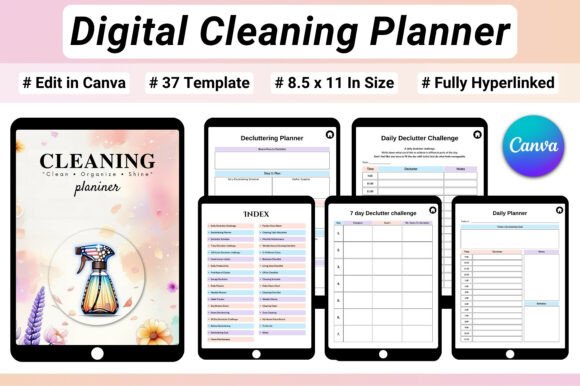
Before diving in, it’s important to recognize what this tool actually offers. It’s not a simple list of chores. The 37-page structure is designed as a complete home management system. The hyperlinked index allows you to move instantly between sections, from the daily cleaning checklist to the 30-day declutter challenge. The editable Canva format means you can tailor everything to your specific home and family. Understanding this flexibility is the first step toward using it effectively. Many people treat it like a static PDF, missing the very features that make it powerful.
Avoiding Common Pitfalls with Digital Home Planners
The most common frustrations come not from the planner itself, but from how it’s used. Here are six areas where people typically go wrong, along with better approaches that lead to lasting results.
1. Overlooking the Hyperlinked Navigation
One of the most valuable features of this planner is its clickable index. It allows you to jump from the weekly chore system directly to the zone cleaning pages, or from the family chore sheets to the monthly maintenance tracker. Many users miss this entirely and scroll through the document linearly, treating it like a printed booklet. This defeats the purpose of having a digital tool.
Why it matters: Scrolling wastes time and interrupts your workflow. When you need to check the room-by-room checklist, you should be able to get there instantly.
A better approach: Spend ten minutes during your initial setup exploring the hyperlinks. Tap through the index, jump to the declutter challenges, then open the cleaning schedules. Mastering these shortcuts makes the planner feel intuitive and responsive. It transforms a static file into an active management system that you’ll actually want to use daily.
2. Cleaning Before You Declutter
This is perhaps the most common misunderstanding. The planner includes both a decluttering system and a cleaning schedule, and the order matters. Jumping straight into the cleaning schedules without first addressing the clutter leads to frustration. You end up organizing items you don’t need or use, which wastes time and effort.
Why it matters: Organizing clutter is like tidying a junk drawer without throwing anything away. It looks neat for a moment, but it doesn’t last.
A better approach: The decluttering section is not optional. Start with the “Root of Clutter” worksheet. This helps you identify why clutter accumulates in your household—whether it’s emotional attachment, lack of storage systems, or simply not having a home for items. Then use the room-by-room decluttering planner to remove what doesn’t serve you. Once you’ve cleared the space, the cleaning schedules become far more effective and sustainable.
3. Overcommitting to Declutter Challenges
The planner includes several challenges: a 7-day version, a 30-day version, and a 100 items challenge. A frequent mistake is starting with the most ambitious option. The 30-day challenge is exciting, but without proper preparation, it can lead to burnout within the first week.
Why it matters: Abandoning a challenge early often leads to abandoning the entire planner. The guilt of falling behind can stop you from using the system at all.
A better approach: Use the “Before Decluttering Preparation” pages first. They help you set realistic boundaries and understand your capacity. Then start with the 7-day challenge to build momentum. The 100 items challenge works well for a focused weekend project. The 30-day challenge is best attempted once you’ve established the habit and have built some confidence. Consistent small wins matter far more than a single intense purge.
4. Ignoring the Family Chore Management Section
The family chore sheets are designed for delegation, but they are often left unused. Many people use the planner to manage only their own workload. This is a missed opportunity for household harmony.
Why it matters: When one person carries the entire burden of cleaning and organizing, resentment builds, and the system becomes unsustainable.
A better approach: Hold a brief family meeting and use the chore sheets to assign age-appropriate tasks. The planner’s structure allows you to track who is responsible for what. Make it a shared record. The weekly chore system becomes a transparent agreement rather than a personal to-do list. This turns the planner from a solo project into a collaborative home management system that lightens everyone’s load.
5. Skipping the Customization Step
The Canva editable feature is one of the biggest advantages of this planner. It allows you to change text, adjust categories, and tailor the layout to your exact needs. Many users leave the template as it is, working around generic categories that don’t fit their home.
Why it matters: A generic template lacks relevance. If the zone cleaning pages don’t reflect your specific floor plan, or if the family chore sheets use terminology that doesn’t fit your household, the planner feels disconnected from your reality.
A better approach: Before you start using the planner daily, open it in Canva and make basic adjustments. Change the daily cleaning planner to match your morning or evening routines. Adjust the cleaning task allocation sheets to reflect your actual rooms. Personalizing the template takes less than an hour and dramatically increases its long-term usefulness. A tailored system is always more effective than a generic one.
6. Inconsistent Application and Lack of Review
Perhaps the most common oversight is using the planner intensely for a week and then forgetting about it. The home slowly returns to its baseline state, and the planner gets buried in your files.
Why it matters: Organization is not a one-time event. It’s an ongoing practice. Without regular review, any system will fail.
A better approach: Schedule a recurring 15-minute weekly review. During this time, update the weekly planner chore system, check your progress on the declutter challenges, and adjust tasks for the coming week. This small habit keeps the planner active and relevant. It also helps you catch small issues before they become big problems. Consistent, low-effort maintenance is far more effective than occasional intense effort.
What to Check Before You Begin
Before you fully commit to transferring your home management to this digital system, a few quick checks can save significant frustration later. Ensure your device—whether a tablet, iPad, or phone—fully supports hyperlinked PDFs and your preferred note-taking app. Test the links to make sure they work smoothly. Confirm your comfort level with Canva’s editing tools; a short tutorial can unlock the full potential of the template. Finally, be honest about your current home state. If clutter is a major issue, commit to the decluttering section before you even look at the cleaning schedules. This upfront assessment ensures the planner fits seamlessly into your life rather than adding another task to your list.
A Simple Path to Success
The most effective way to use a Digital Cleaning Planner is to start small and build from there. Begin by familiarizing yourself with the hyperlinked navigation. Then complete the “Root of Clutter” worksheet and a short declutter challenge before moving to the cleaning schedules. Involve your family from the start using the chore sheets. Customize the text in Canva to match your home’s exact layout. Finally, commit to a weekly 15-minute review to keep everything on track.
This approach respects your time and energy. It builds habits gradually rather than demanding immediate perfection. The planner is a tool, but your consistency is what creates the results.
A Digital Cleaning Planner is a powerful resource for creating a calmer, more organized home. Its structure, hyperlinked navigation, and editable format offer everything you need to manage routines, declutter effectively, and coordinate family tasks. By avoiding the common mistakes of neglecting the decluttering phase, ignoring the hyperlinks, or working alone, you can turn this simple file into the backbone of your home organization system. The result is not just a cleaner home, but a more peaceful and manageable daily life.