Kids Health Planner: A Complete Wellness System for Growing Children
Helping children build healthy habits is one of the most rewarding challenges a parent or educator can face. Between school, extracurriculars, and screen time, it’s easy for daily routines to slip into chaos. That’s where the Kids Health Planner comes in—a fun, structured tool designed to help children track meals, sleep, emotions, exercise, and more. But like any resource, using it effectively requires understanding what it offers and avoiding common pitfalls. This article walks through practical advice to get the most out of the planner, from setting realistic expectations to integrating emotional well-being into daily tracking.
What Makes the Kids Health Planner Different?
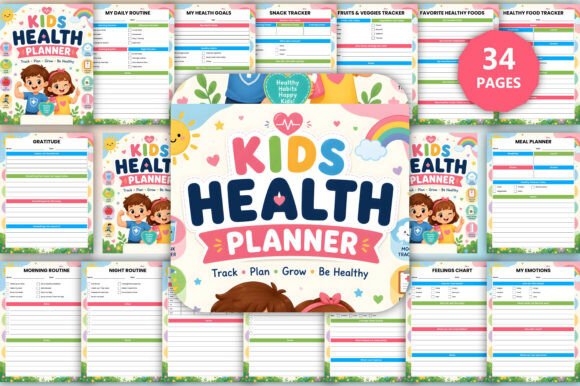
Unlike a simple calendar or sticker chart, the Kids Health Planner is a complete health and wellness system. It includes daily health tracking, meal nutrition planning, sleep routine monitoring, exercise activity logs, mood and emotion tracking, a healthy habits checklist, weekly health overviews, mental wellness gratitude pages, and even medical health records. This breadth is its greatest strength—but also where many users get tripped up.
Parents often purchase such planners hoping for instant behavior change. The truth is, no planner magically transforms a child’s habits overnight. The Kids Health Planner works best when introduced gradually and consistently. Think of it as a conversation starter rather than a command center. The colorful, easy-to-use pages are designed to engage children, but the real magic happens when adults guide the process without making it feel like homework.
Common Mistake #1: Treating the Planner Like a Chore Checklist
A frequent misunderstanding is using the Kids Health Planner solely as a list of tasks to complete each day. While the healthy habits checklist (drinking water, brushing teeth, staying active) is valuable, reducing the planner to a compliance tool misses the point. Children quickly sense when tracking becomes pressure, and resistance builds.
How it affects results: When used rigidly, the planner can create stress instead of empowerment. The child may fake entries, lose interest, or associate health tracking with punishment. The sleep tracker and mood pages become empty routines rather than opportunities for self-awareness.
Better approach: Frame the planner as a personal adventure. Let your child choose which sections to start with. Maybe they love the exercise activity tracker and want to record every hop, skip, and jump. Or perhaps the gratitude pages resonate more. Let curiosity lead. Use the weekly health overview not as a report card, but as a gentle reflection: “Look how many active days you had this week—how did that feel?” This cultivates intrinsic motivation.
Common Mistake #2: Overlooking the Emotional and Mental Wellness Pages
Many parents focus heavily on physical habits—sleep, meals, exercise—while skipping the mood emotions tracking and mental wellness gratitude pages. This is a missed opportunity. Emotional health is foundational to all other habits. A child who feels anxious or frustrated will struggle with healthy eating or consistent bedtime routines.
How it affects usability: Without emotional tracking, you’re only seeing half the picture. The Kids Health Planner includes dedicated pages for understanding feelings and cultivating gratitude precisely because these elements are interconnected. Ignoring them undermines the holistic design.
Practical advice: Introduce the mood and gratitude sections early. Keep it simple—ask your child to circle an emoji or describe their day in one sentence. Over time, you can discuss patterns: “I notice you often feel sad on Monday mornings—is something happening at school?” This builds emotional vocabulary and trust. The mental wellness pages aren’t just fluff; they’re a gateway to understanding your child’s inner world.
Common Mistake #3: Treating Medical Record Pages as Optional or Overwhelming
The Kids Health Planner comes with medical health records—doctor visit logs, medication trackers, vaccination records, and health check pages. Many adults skip these, assuming they don’t need them or that they’re too complicated. But these pages serve a critical organization function, especially for busy families.
How it affects efficiency and quality of care: Without a central place for medical info, you might scramble for vaccination dates before a school enrollment, or forget medication timings during illness. The planner’s medical section consolidates everything, saving time and reducing errors. It also teaches children to be aware of their own health history as they grow.
Better approach: Fill out the medical pages together during a quiet afternoon. Make it a low-stress activity. Use the visit log to note why you went and what the doctor said—younger children can draw a picture of the clinic. Over time, this becomes a valuable reference. It’s not about perfection; it’s about building a habit of recording what matters.
Common Mistake #4: Expecting Immediate Progress Without Involving the Child
Some adults buy the Kids Health Planner and try to fill it in themselves, correcting what they think is wrong. That approach rarely works. Children need to see the planner as their tool, not something imposed on them. Ownership is key.
How it affects satisfaction: When a child feels the planner is a parent’s project, they disengage. The colorful pages become just another adult demand. Worse, the child might resist healthy habits because they associate them with external control.
Practical solution: Hand the pen to your child. Let them decorate the cover, pick the order of pages, and decide what “tracking” means to them. For younger kids, use stickers or stamps. The Kids Health Planner is designed to be flexible—embrace that. Set a regular time, such as after dinner or before bed, to review the day’s entries together. Ask open-ended questions: “What was your favorite part of today?” “How many glasses of water did you drink?” This turns tracking into a conversation.
Common Mistake #5: Neglecting the Weekly Overview as a Planning Tool
The weekly health overview page tracks water intake, sleep hours, and activity levels across seven days. Many users simply fill it in and move on. But this page is actually a powerful planning and reflection tool. It helps spot trends: maybe your child sleeps poorly on days with no outdoor activity, or eats healthier when meals are pre-planned.
How it affects long-term results: Without analyzing the weekly overview, you miss opportunities to adjust routines. The Kids Health Planner becomes a record instead of a catalyst. Over time, you might see the same challenges repeating without knowing why.
Better use: Spend five minutes each Sunday reviewing the previous week’s overview with your child. Look for patterns. Celebrate wins: “You hit your water goal four days—that’s great!” Identify areas for gentle improvement: “Let’s try a new bedtime activity to help you fall asleep faster.” This turns data into actionable steps and teaches children to self-reflect.
What to Check Before Buying or Using the Planner
Before you download or purchase the Kids Health Planner, consider a few practical factors. First, assess your child’s age and readiness. The planner works well for elementary-age kids, but younger children may need more adult guidance. Second, decide if you want a printed version or a digital file. Printed planners allow for physical writing, while digital versions can be used on tablets or printed at home. Third, think about consistency: do you have a regular time slot for using the planner? Carving out just ten minutes daily makes a huge difference.
Also, check the file formats offered. Some planners come as PDFs with fillable fields, others as printable sheets. Ensure the format matches your setup. And don’t overlook the built-in progress growth tracking pages—these are excellent for showing your child how their habits evolve over months.
Realistic Expectations Lead to Real Results
The Kids Health Planner is not a quick fix. It’s a companion for a journey. Some days the mood page might be blank, and that’s okay. The goal is not perfect tracking—it’s building a healthy relationship with health itself. When used with flexibility and involvement, the planner helps children develop awareness, responsibility, and self-care habits that last.
Remember, the best results come from using the planner as a springboard for conversations, not a checklist. Track meals, but also talk about why vegetables are energizing. Monitor sleep, but also discuss the feeling of waking up refreshed. The Kids Health Planner provides the structure; your guidance provides the meaning.
By avoiding the common mistakes of rigid use, neglecting emotional tracking, skipping medical records, excluding the child, and ignoring weekly patterns, you’ll unlock the planner’s full potential. The result is a healthier, happier child—and a smoother path for the whole family.